

We use a variety of cooking oils in the kitchen, and each oil has its own advantages. Some are great for frying, while others are ideal for baking or making salad dressing. No single oil is perfect for every task, so for the best results, it’s important to know what the different types are and how and when to use them.
Vegetable Oil

"Vegetable oil" is a generic term that encompasses any edible oil made from plant sources, including nuts, seeds, grains, beans, olives, or a blend of these. Cooking oils specifically labeled “vegetable oil” are usually made from soybeans. But “vegetable oil” can also be made with canola or corn oil or a blend that may also include other oils, such as sunflower, safflower, or flaxseed. Most commercially available vegetable oils have been refined, bleached, and deodorized; as a result, they have a neutral flavor that makes them a perfect blank canvas for the bold flavors in sauces, vinaigrettes, and dressings. They also have high smoking points, so they’re ideal for baking, sautéing, and frying. For most applications, we’ve found that it doesn’t really matter which type of vegetable oil you use. But there are a few considerations to keep in mind.

Best For: Frying or baking. We’ve found that compounds in corn oil provide a sour or pungent flavor at room temperature—such as in mayonnaise or dressings. The same compounds change for the better when heated, lending a much more pleasant flavor to fried food than other oils.

Best For: Uncooked applications. While you can use this oil for baking, sautéing, or frying, unsaturated fatty acids break down when these oils are heated, generating flavors that some tasters described as slightly fishy or metallic-tasting.

Best For: Baking and high-heat applications, such as stir-frying or deep frying. Just be aware that it costs twice as much as canola or corn oil and is off-limits for people with peanut allergies.
Extra-Virgin Olive Oil
Technically, olive oil is also a vegetable oil, as it’s made from olives. Extra-virgin olive oil, made from the first cold-pressing of olives, is the highest grade, and at its best it’s lively, bright, and full-bodied. Depending on the type of olives it’s made from and how ripe those olives are when picked, extra-virgin olive oil can taste anywhere from grassy to peppery to buttery to nutty. We like supermarket oils for a range of applications (sautéing, dressings, finishing dishes), but reserve the pricier premium oils for finishing dishes or dressings. These uncooked applications let the distinctive flavors really shine; when the oil is heated, many of those flavors disappear. Although supermarket versions can vary in quality, 10 of the 11 we tasted most recently were acceptable.

Best For: Sautéing, baking, roasting, dressings, finishing drizzles
ATK Recommends
Bertolli Extra Virgin Olive Oil, Original, Rich Taste ($6.99 for 16.9 ounces) and California Olive Ranch Destination Series Everyday Extra Virgin Olive Oil ($9.99 for 16.9 ounces)
PremiumBest For: Dressings, finishing drizzles
ATK Recommends
Medium: Gaea Fresh Extra Virgin Olive Oil ($18.99 for 17 ounces)
Medium-Robust: Gianfranco Becchina Olio Verde Extra Virgin Olive Oil ($134.95 for 16.9 ounces)
Robust: Frescobaldi Laudemio Extra Virgin Olive Oil ($35.95 for 16.9 ounces)
Sesame Oil
Sesame oil is one of the oldest foods made by humans; archaeologists have found evidence of its production going back thousands of years. Today, it’s widely used throughout Asia, and the United States is one of its biggest importers. There are two types of sesame oil, but we rarely if ever use the plain kind, which has almost no color, flavor, or scent. Instead, we use toasted (or roasted) sesame oil much more often; it has an intensely toasty, nutty aroma and flavor; a darker color; and a much lower smoking point. We generally use it as a finishing oil—adding a teaspoon or two at the very end of cooking in any number of recipes involving meat, fish, vegetables, noodles, or rice—and incorporate it into dressings and sauces. Its flavor can vary widely by brand, depending largely on the seeds’ roasting time and temperature.

Best For: Sautéing and frying
ToastedBest For: Finishing drizzles, dressings, and sauces
ATK Recommends
Ottogi Premium Roasted Sesame Oil ($11.99 for 10.82 ounces). Look for the bottle form; we found that the tinned version isn’t as good.
Avocado Oil
Extracted from the pulp of avocados, avocado oil is rich in healthy fats and antioxidants. Food-grade avocado oil comes in two forms: cold-pressed extra virgin (unrefined) and refined. The former has a pleasant buttery, grassy avocado-like flavor that shines best when drizzled over mild-tasting foods such as fish or vegetables. Refined avocado oil has a neutral taste and the highest smoking point of any cooking oil, so you can swap it for vegetable oil when sautéing or frying. Note that both types of avocado oil are pricey, though; the refined version costs about three times the cost of a standard vegetable oil.

Best For: Finishing drizzles and dressings
RefinedBest For: Sautéing and frying (particularly deep frying)
Coconut Oil

This sweet-smelling, slightly tropical-tasting (and pricey) oil is pressed from the kernel or meat of mature coconuts. Used in Africa, South America, and Asia for centuries, coconut oil gained “superfood” status in the United States a few years ago. It’s high in lauric acid, which proponents tout for its antimicrobial and antioxidant properties, among other things. Solid at room temperature, coconut oil is popular with vegans as a nondairy butter alternative. It’s available in two forms: unrefined and refined. The former, commonly labeled “virgin” or “pure,” has a strong coconut flavor, while refined coconut oil is virtually tasteless and odorless. Since we have limited use for an oil that makes our food smell and taste like a piña colada, we generally stick with the refined version. Melted, it performs just as well as melted butter in chocolate chip cookies, though we miss butter’s sweet dairy flavor. Ditto when we cream the oil for cake and use it to sauté vegetables. But if you’re avoiding dairy, refined coconut oil makes a perfectly good substitute for butter in sautéing and baking.
Best For: Sautéing and baking
Rice Bran Oil

Made from the outer husk or layer (bran) of rice grains, this oil is commonly used in Asian countries. In its refined state, its high smoking point and mild flavor make it suitable for stir-frying and deep frying. In taste tests comparing rice bran oil with canola oil, we consistently preferred foods prepared with rice bran oil. It was especially good when used to fry foods, producing breaded chicken cutlets and stir-fried beef that tasters described as lighter and less oily than those made with canola oil. It's a great alternative to canola oil—if you can afford it, as it's nearly twice as expensive.
Best For: Sautéing and frying (particularly deep frying)
ATK Recommends
California Rice Oil Company Rice Bran Oil ($2.99 for 25 ounces)
Walnut Oil
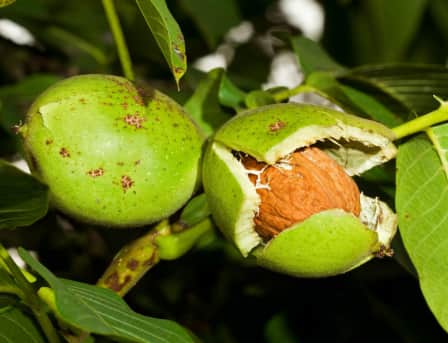
Like most nut oils, including almond and hazelnut, walnut oil is available in both refined and unrefined versions but is off-limits for people with tree-nut allergies. Skip refined walnut oil, which is relatively flavorless and offers no advantages over other neutral oils that are less expensive. Distinctively yet delicately flavored, unrefined walnut oil is best used in raw applications or as a finishing oil; when heated, it loses much of its flavor. It’s fantastic in vinaigrettes; tossed with grains and pasta; and drizzled over beef, lamb, shrimp, and even pancakes.
Best For: Finishing drizzles, dressings, and sauces
Everything Else You Might Want to Know About Cooking Oil

Why Oil Smoking Points Matter
Want to know which oil to use for a cooking application? Check out its smoking point.
read more
Shimmer, Deep-Fry, and Smoke: How Oil Behaves at Different Temperatures
We've all seen these terms in recipes. What does each one mean? And how do you know you've achieved it?
read more
How to Tell If an Oil Is Rancid
Oil doesn't keep forever. To learn when it's time to ditch the bottle, read on.
read more
How to Shop For and Store Oil
All oil will eventually go rancid. To ensure that your oil can be used—and for as long as possible—we have a few tips.
read more

How to Handle an Oil Fire
Grease fires can be scary. Here's how to fight them if they occur.
read more